
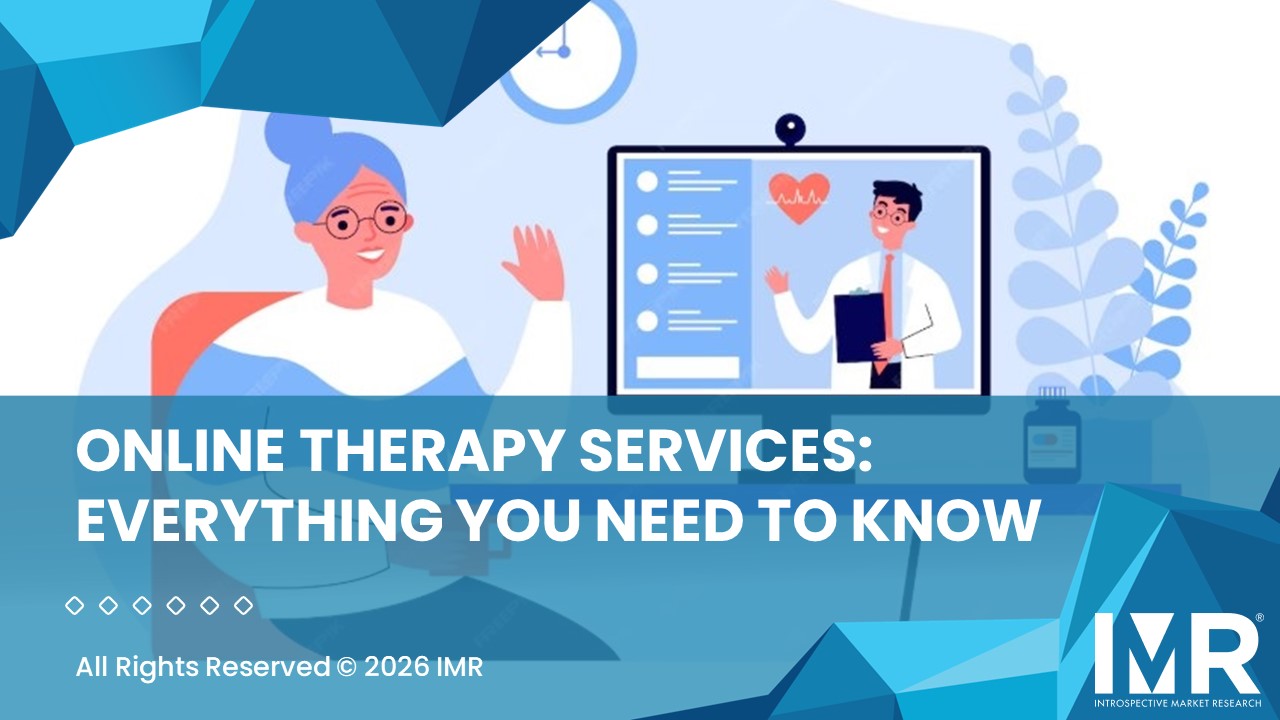
Mental health has gained increased attention in recent years, and access to professional care remains a critical component of well-being. Online therapy services have emerged as a convenient and effective solution for individuals seeking mental health support without the constraints of location or traditional office hours. With the rise of digital platforms, these services offer a flexible approach for people to connect with licensed therapists through video calls, messaging, or phone sessions.
How Online Therapy Services Work
Online therapy services operate through secure digital platforms such as BetterHelp, Talkspace, Calmerry, Cerebral, Brightside Health, where users can schedule appointments, select therapists based on specialization, and communicate via encrypted video or chat. Most platforms provide a variety of therapeutic approaches, including cognitive behavioral therapy (CBT), psychodynamic therapy, and solution-focused therapy. Through these platforms, users can benefit from personalized treatment plans that cater to individual needs and mental health goals.
According to Introspective Market Research, the adoption of online therapy services has seen significant growth, driven by increasing awareness of mental health issues and the convenience of remote sessions. Accessibility plays a major role, allowing people in rural or underserved areas to receive professional support without traveling long distances.
Benefits of Online Therapy Services
-
Convenience and Flexibility
Online therapy eliminates the need for commuting, making it easier to integrate mental health care into daily schedules. This flexibility helps individuals maintain consistent therapy sessions, which is critical for long-term mental health improvements. -
Increased Privacy and Comfort
Receiving therapy from home can reduce stigma and provide a safe environment where clients feel more at ease discussing sensitive issues. This comfort often enhances engagement and the overall effectiveness of treatment. -
Diverse Therapeutic Options
Online platforms often offer access to a broader range of specialists than may be available locally. Users can find therapists with experience in specific areas such as anxiety, depression, trauma, or relationship counseling. -
Cost-Effectiveness
In many cases, online therapy services can be more affordable than traditional in-person therapy. Reduced overhead costs for digital platforms often translate into lower session fees for clients.
Challenges and Considerations
While online therapy services offer numerous advantages, there are challenges that users should be aware of:
- Technical Issues: Reliable internet connectivity and familiarity with digital tools are essential for smooth sessions.
- Limited Physical Cues: Therapists rely on nonverbal communication, which can be harder to interpret in virtual settings.
- Emergency Situations: Online platforms may not provide immediate support for crises, making local emergency resources necessary.
To address these challenges, platforms often include technical support, safety protocols, and guidance on handling emergencies. Careful selection of therapists and platforms ensures that users receive high-quality and reliable mental health care.
The Role of Technology in Therapy
Technological advancements have enhanced the delivery of online therapy services. Video conferencing, AI-driven chat tools, and mobile applications have made mental health support more accessible. Some platforms also include progress tracking, mood journals, and interactive exercises that supplement therapy sessions, providing measurable insights into treatment effectiveness.
Moreover, data-driven analytics allow therapists to monitor patient engagement, identify patterns, and tailor interventions. These tools help improve outcomes and ensure that therapy remains responsive to individual needs.
Future of Online Therapy Services
The future of online therapy services is closely tied to ongoing digital innovation and growing mental health awareness. Integration with wearable devices, virtual reality-based interventions, and AI-powered mental health assessments could further enhance therapy experiences. Additionally, expanding insurance coverage and employer-supported programs may increase affordability and access for a wider population.
Conclusion
Online therapy services have revolutionized the way mental health care is delivered, offering convenience, privacy, and specialized treatment for individuals worldwide. By leveraging technology, these platforms help break down traditional barriers to mental health support and provide flexible solutions for a diverse range of needs.
IMR Company continues to monitor trends in online therapy services, emphasizing the importance of accessibility, safety, and evidence-based care. As technology and awareness evolve, online therapy will remain a critical component of mental health support, ensuring that professional care is within reach for anyone, anywhere.


