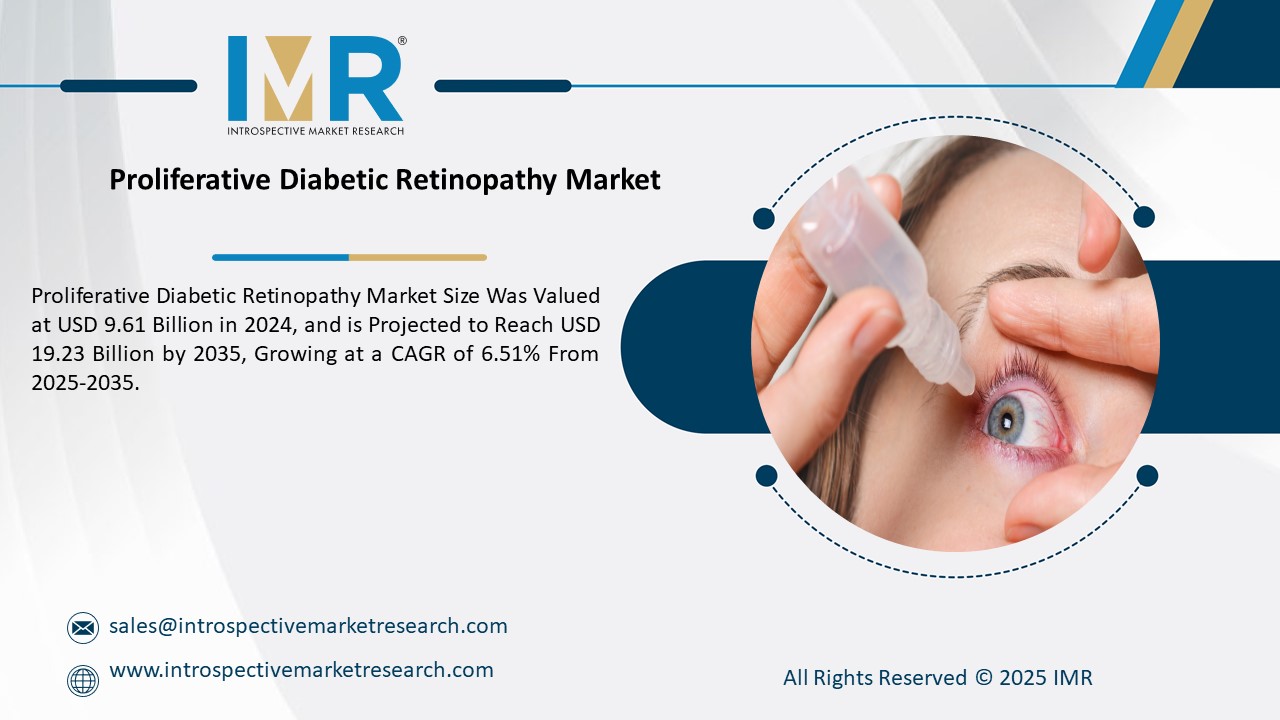
The Proliferative Diabetic Retinopathy (PDR) Market encompasses the diagnosis, treatment, and management of advanced diabetic eye disease that can lead to vision loss or blindness if untreated. This condition is characterized by abnormal blood vessel growth in the retina due to long-term diabetes, requiring advanced therapeutic and surgical interventions.
The market’s expansion is driven by the growing prevalence of diabetes worldwide, technological advancements in laser therapy and anti-VEGF injections, and improved diagnostic imaging systems such as optical coherence tomography (OCT). In addition, increasing awareness of early detection and the availability of effective treatment options are fueling adoption in hospitals and ophthalmology clinics globally.
Moreover, ongoing research and product approvals are enhancing treatment efficacy and patient outcomes, making the PDR market a critical component of the broader ophthalmology and diabetic care sectors.
A major growth driver of the Proliferative Diabetic Retinopathy Market is the rising global prevalence of diabetes and diabetic complications. With diabetes affecting over 500 million people worldwide, the incidence of PDR continues to grow, increasing demand for effective treatment solutions. The growing geriatric population, coupled with enhanced healthcare infrastructure and access to ophthalmic care, further supports the widespread adoption of advanced retinal therapies and surgical procedures.
An emerging market opportunity lies in the integration of AI-based diagnostic tools and teleophthalmology services. Artificial intelligence-enabled retinal screening and cloud-based diagnostic platforms enable early detection of PDR, especially in underserved regions. These innovations improve patient monitoring, facilitate timely intervention, and open new avenues for healthcare providers to manage diabetic eye diseases more efficiently.
Proliferative Diabetic Retinopathy Market, Segmentation
The Proliferative Diabetic Retinopathy Market is segmented on the basis of Treatment Type, End User, and Region.
Treatment Type
- The Treatment Type segment is further classified into Laser Therapy, Anti-VEGF Injections, Vitrectomy Surgery, and Corticosteroids. Among these, the Anti-VEGF Injections segment accounted for the highest market share in 2024. This dominance is attributed to the superior efficacy of anti-VEGF agents such as ranibizumab and aflibercept in halting abnormal blood vessel growth and improving visual acuity. The increased availability of biosimilars and ongoing clinical trials exploring long-acting formulations are expected to further strengthen this segment’s growth during the forecast period.
End User
- The End User segment is further classified into Hospitals, Ophthalmic Clinics, and Ambulatory Surgical Centers. Among these, the Hospitals segment accounted for the highest market share in 2024. Hospitals remain the primary treatment centers for advanced diabetic retinopathy cases due to their access to advanced diagnostic imaging, surgical infrastructure, and specialized ophthalmologists. Furthermore, government initiatives promoting diabetic eye screening programs and hospital-based clinical research continue to drive this segment’s growth.
Some of The Leading/Active Market Players Are–
- Genentech, Inc. (U.S.)
- Regeneron Pharmaceuticals, Inc. (U.S.)
- Novartis AG (Switzerland)
- Bayer AG (Germany)
- Allergan plc (Ireland)
- AbbVie Inc. (U.S.)
- Alimera Sciences, Inc. (U.S.)
- Bausch + Lomb (U.S.)
- Santen Pharmaceutical Co., Ltd. (Japan)
- Topcon Corporation (Japan)
- Zeiss Group (Germany)
- NIDEK Co., Ltd. (Japan)
- Heidelberg Engineering GmbH (Germany)
- Optos plc (U.K.)
- MeiraGTx Holdings plc (U.K.) and other active players.
Key Industry Developments
- In March 2024, Regeneron Pharmaceuticals announced new Phase 3 trial results demonstrating extended dosing intervals for Eylea HD in treating proliferative diabetic retinopathy. The findings indicated that patients achieved improved vision outcomes with fewer injections, highlighting the potential for reduced treatment burden and enhanced compliance among PDR patients.
- In July 2023, Novartis AG introduced an AI-powered retinal screening program in collaboration with global health partners to enhance early detection of diabetic retinopathy in low-income regions. This initiative aims to improve diagnostic accessibility, especially in areas with limited ophthalmology infrastructure, thereby reducing preventable blindness due to diabetes.