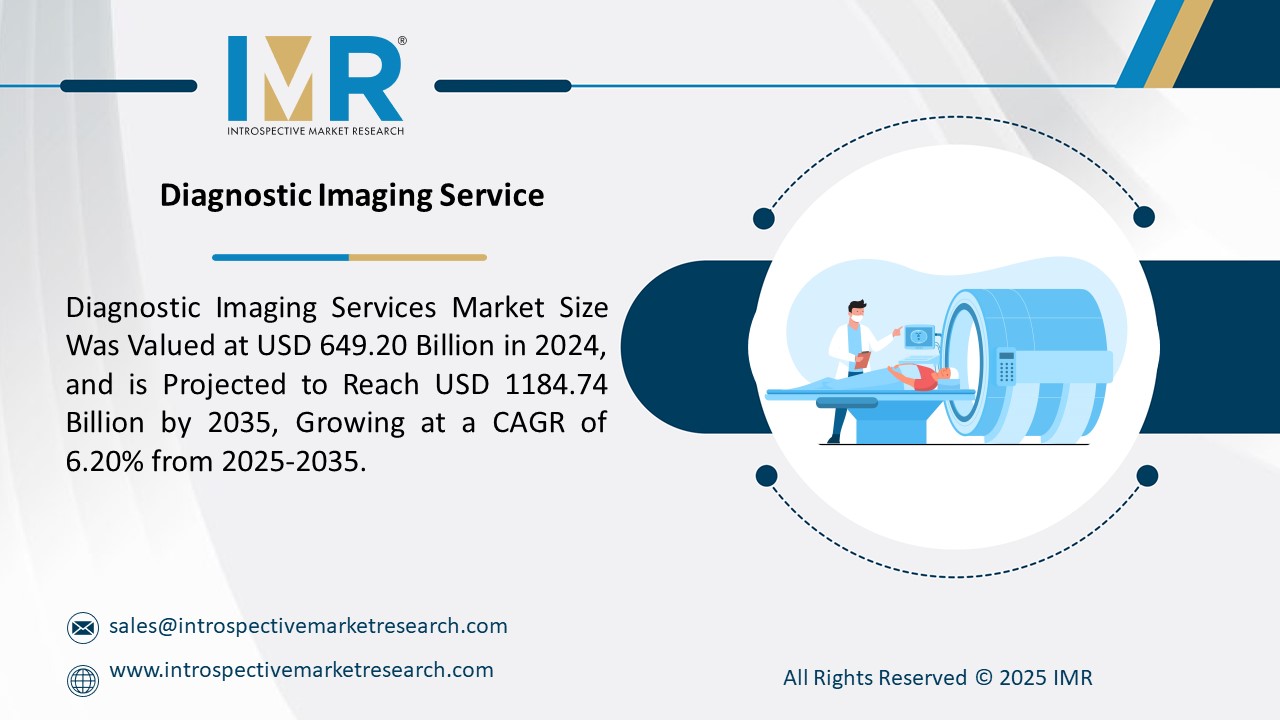
Diagnostic imaging services encompass a range of non-invasive techniques used to create visual representations of the interior of a body for clinical analysis and medical intervention. These services utilize advanced modalities such as X-ray, Magnetic Resonance Imaging (MRI), Computed Tomography (CT), Ultrasound, and Nuclear Medicine. By providing detailed insights into anatomical and physiological structures, diagnostic imaging allows healthcare professionals to accurately diagnose, monitor, and treat various medical conditions, from bone fractures and soft tissue injuries to complex cardiovascular diseases and cancers.
The primary advantage of diagnostic imaging services over traditional exploratory surgery is the ability to provide precise, real-time data without the risks and recovery time associated with invasive procedures. Modern imaging technology offers higher resolution and faster processing speeds, enabling earlier detection of diseases when they are most treatable. These services are essential across multiple medical specialties, including oncology, cardiology, neurology, and orthopedics. As global healthcare systems shift toward value-based care, the role of accurate diagnostic imaging in reducing hospital stays and improving patient outcomes has become more critical than ever.
The principal growth driver for the Diagnostic Imaging Services market is the rapidly aging global population and the subsequent rise in the prevalence of chronic diseases. As the number of elderly individuals increases, there is a significant uptick in age-related conditions such as cancer, cardiovascular disorders, and neurodegenerative diseases, all of which require frequent and detailed imaging for diagnosis and management. Furthermore, the global trend toward preventative healthcare and early disease screening, supported by government initiatives and improved insurance coverage, is compelling healthcare providers to expand their diagnostic capabilities to handle higher patient volumes.
A major market opportunity lies in the integration of Artificial Intelligence (AI) and machine learning algorithms into imaging workflows. AI-powered software can assist radiologists by automating the detection of abnormalities, reducing interpretation time, and minimizing human error in complex scans like CT and MRI. This "Intelligent Imaging" approach not only improves diagnostic accuracy but also addresses the global shortage of skilled radiologists. Additionally, the expansion of diagnostic services in emerging economies, fueled by increasing healthcare expenditure and the modernization of rural medical infrastructure, offers a significant avenue for service providers to capture untapped market share.
Detailed Segmentation
Title: Diagnostic Imaging Services Market Market, Segmentation The Diagnostic Imaging Services Market is segmented on the basis of Modality, Application, and End-User.
By Modality
- The Modality segment is further classified into X-ray, MRI, CT Scan, Ultrasound, and Nuclear Imaging. Among these, the X-ray sub-segment accounted for the highest market share in 2024. This dominance is due to the widespread availability, cost-effectiveness, and fundamental role of X-rays in primary diagnostics and orthopedic assessments. As the most basic and frequently performed imaging procedure globally, X-ray technology serves as the first line of defense in diagnosing fractures, respiratory infections, and dental issues. The continuous technological evolution of digital radiography, which offers lower radiation doses and faster digital processing, ensures that X-ray remains the most utilized modality across both developed and developing regions.
By End-User
- The End-User segment is further classified into Hospitals, Diagnostic Centers, and Ambulatory Surgical Centers. Among these, the Hospitals sub-segment accounted for the highest market share in 2024. This dominance is attributed to the fact that hospitals serve as primary hubs for comprehensive medical care, housing advanced imaging departments equipped to handle emergency cases and complex surgical planning. Hospitals often possess the high-capital infrastructure required for specialized modalities like MRI and PET-CT. Furthermore, the high volume of inpatient and outpatient visits, combined with the integration of imaging services into critical care pathways (such as trauma and stroke units), ensures that hospitals remain the primary revenue-generating end-users in the diagnostic imaging landscape.
Some of The Leading or Active Market key Players Are-
- GE Healthcare (United States)
- Siemens Healthineers (Germany)
- Philips Healthcare (Netherlands)
- Fujifilm Holdings Corporation (Japan)
- Canon Medical Systems Corporation (Japan)
- Carestream Health (United States)
- Koninklijke Philips N.V. (Netherlands)
- Hologic, Inc. (United States)
- Shimadzu Corporation (Japan)
- Samsung Electronics (South Korea)
- Hitachi, Ltd. (Japan)
- Esaote S.p.A (Italy) and other active players.
Key Industry Developments
- In June 2024, GE Healthcare announced the launch of an AI-enhanced MRI system designed to reduce scan times by up to 50% while maintaining high image resolution. This news item is significant because it addresses the critical bottleneck of long patient wait times for MRI scans. By utilizing deep learning reconstruction, the system allows facilities to increase patient throughput and improve the overall comfort of patients who struggle with long durations inside the scanner.
- In February 2024, Siemens Healthineers unveiled a mobile CT unit specifically designed for rapid deployment in emergency and rural settings. This news item marks a critical advancement in decentralized healthcare, as it brings high-end diagnostic capabilities directly to the point of care. This innovation is particularly vital for stroke diagnosis, where "time is brain," allowing for immediate imaging and intervention before the patient even reaches a major medical center.
Key Findings of the Study
- Dominant Segments: X-ray modality and the Hospital end-user segment currently hold the majority of market share.
- Leading Regions: North America leads the market due to high healthcare spending and early adoption of advanced imaging technologies.
- Key Growth Drivers: Rising prevalence of chronic diseases and the increasing demand for early-stage diagnostic screening.
- Market Trends: Rapid adoption of AI for image interpretation and the growing preference for portable/point-of-care imaging devices.