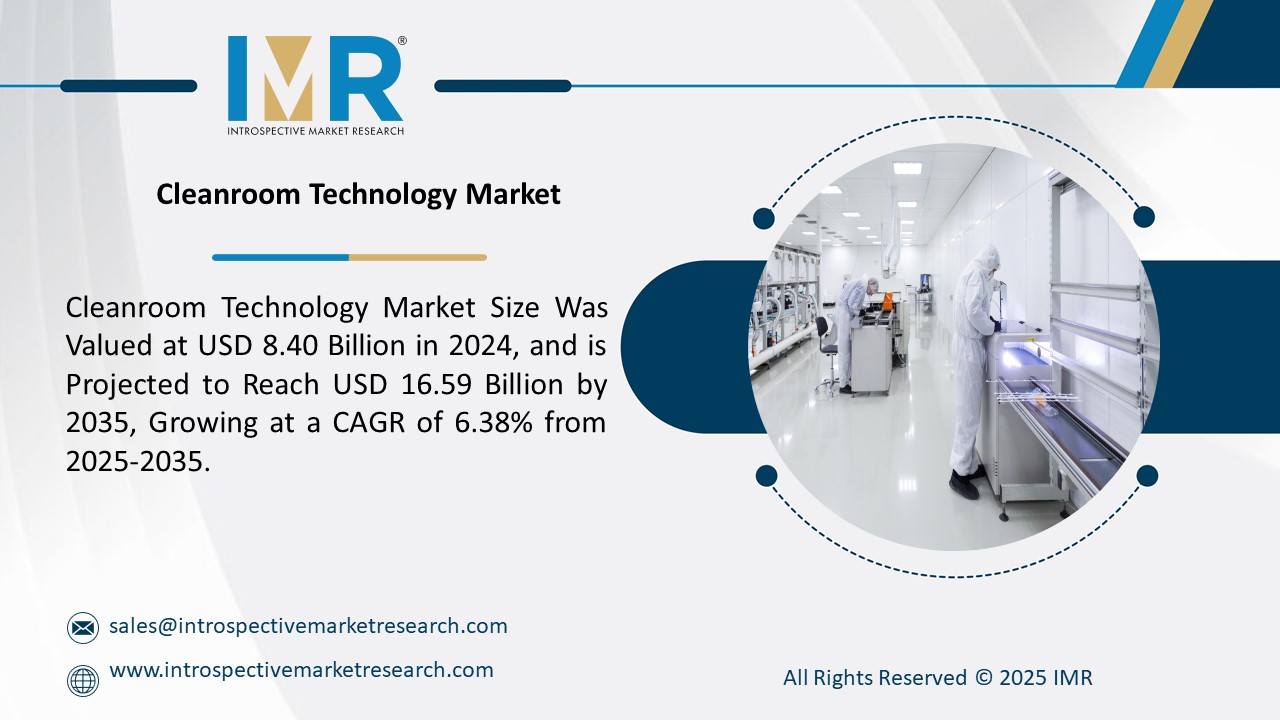
Cleanroom technology refers to the specialized engineering and equipment used to maintain an environment with a controlled level of contamination, such as dust, airborne microbes, aerosol particles, and chemical vapors. This technology involves advanced air filtration systems (HEPA/ULPA), modular wall panels, laminar air-flow units, and specialized furniture. By strictly regulating environmental parameters like temperature, humidity, and pressure, cleanroom technology ensures the integrity of sensitive manufacturing processes and the safety of specialized products across various high-precision sectors.
The primary advantage of cleanroom technology over traditional manufacturing environments is its ability to eliminate microscopic contaminants that can cause catastrophic failures in microelectronics or render pharmaceutical products unsafe. Through the use of controlled airflows and stringent protocols for personnel entry, these systems provide a level of sterility and precision that standard air conditioning cannot achieve. Major industries utilizing cleanroom technology include pharmaceuticals, biotechnology, medical device manufacturing, and the semiconductor industry, where even a single particle can destroy an entire production batch.
The principal growth driver for the Cleanroom Technology market is the increasing demand for high-quality, sterilized healthcare products and the global expansion of the pharmaceutical industry. As regulatory bodies like the FDA and EMA tighten standards for drug safety and medical device efficacy, the necessity for ISO-compliant cleanroom environments has become non-negotiable. Additionally, the rapid advancements in the biotechnology sector, particularly in cell and gene therapies which require aseptic processing environments, are forcing manufacturers to invest heavily in modern cleanroom infrastructure to prevent cross-contamination and ensure patient safety.
A major market opportunity lies in the rising integration of IoT and automation within cleanroom environments to create "Smart Cleanrooms." These advanced systems utilize real-time sensors to monitor particle counts, pressure differentials, and humidity levels with extreme precision, allowing for predictive maintenance and reduced energy consumption. Furthermore, the burgeoning semiconductor industry, fueled by the global demand for AI chips and 5G technology, offers a lucrative niche for providers of ultra-high-purity cleanroom solutions. As fabrication plants (Fabs) require increasingly stringent cleanliness levels (Class 1 and ISO 3), specialized technology providers have a significant avenue for high-value growth.
Detailed Segmentation
Title: Cleanroom Technology Market Market, Segmentation The Cleanroom Technology Market is segmented on the basis of Product, Type, and End-User Industry.
By Product
- The Product segment is further classified into Equipment, Consumables, and Services. Among these, the Equipment sub-segment accounted for the highest market share in 2024. This dominance is driven by the high initial capital investment required for constructing new cleanroom facilities and upgrading existing ones with advanced HVAC systems, fan filter units (FFUs), and air showers. The rapid industrialization in emerging economies and the establishment of new biotechnology hubs have led to a surge in demand for primary cleanroom hardware. The long replacement cycle and high unit value of specialized filtration and laminar flow equipment ensure this segment remains the dominant revenue generator in the market.
By End-User Industry
- The End-User Industry segment is further classified into Pharmaceuticals & Biotechnology, Electronics & Semiconductors, and Medical Devices. Among these, the Pharmaceuticals & Biotechnology sub-segment accounted for the highest market share in 2024. This dominance is due to the mandatory requirement for controlled environments in drug manufacturing, filling, and packaging to prevent biological contamination. The increasing production of injectable drugs, vaccines, and biologics all of which require aseptic processing makes this sector the most consistent consumer of cleanroom technology. Stringent Good Manufacturing Practice (GMP) guidelines worldwide necessitate the continuous use of high-standard cleanroom environments in this sector.
Some of The Leading or Active Market key Players Are-
- Kimberly-Clark Corporation (United States)
- DuPont de Nemours, Inc. (United States)
- Illinois Tool Works Inc. (United States)
- Azbil Corporation (Japan)
- Ardmac (Ireland)
- Ansell Limited (Australia)
- Bouygues Group (France)
- Clean Air Products (United States)
- Exyte AG (Germany)
- Terra Universal, Inc. (United States)
- Labconco Corporation (United States)
- Dynarex Corporation (United States) and other active players.
Key Industry Developments
- In May 2024, Exyte AG announced the completion of a massive high-tech cleanroom facility for a leading semiconductor manufacturer in Europe. This news item is significant because it highlights the growing scale of cleanroom projects required to support the localized production of microchips. The project utilized modular construction techniques to reduce setup time by 30%, showcasing a major trend in rapid infrastructure deployment.
- In January 2024, DuPont launched its new line of sustainable cleanroom garments and consumables designed for the biotechnology sector. This news item marks a critical shift toward the circular economy in cleanroom management, as the new materials are fully recyclable. This innovation addresses the massive waste generation associated with disposable cleanroom apparel while maintaining the highest levels of particulate protection and sterility.
Key Findings of the Study
- Dominant Segments: Cleanroom Equipment and the Pharmaceuticals & Biotechnology end-user segment currently hold the majority of market value.
- Leading Regions: The Asia-Pacific region is emerging as the fastest-growing market due to the relocation of pharmaceutical and semiconductor manufacturing hubs to the region.
- Key Growth Drivers: Tightening regulatory standards for product safety and the expansion of the biologics and microelectronics sectors.
- Market Trends: Increasing preference for modular cleanrooms for their flexibility and the adoption of "Green Cleanroom" technologies to reduce energy overheads.