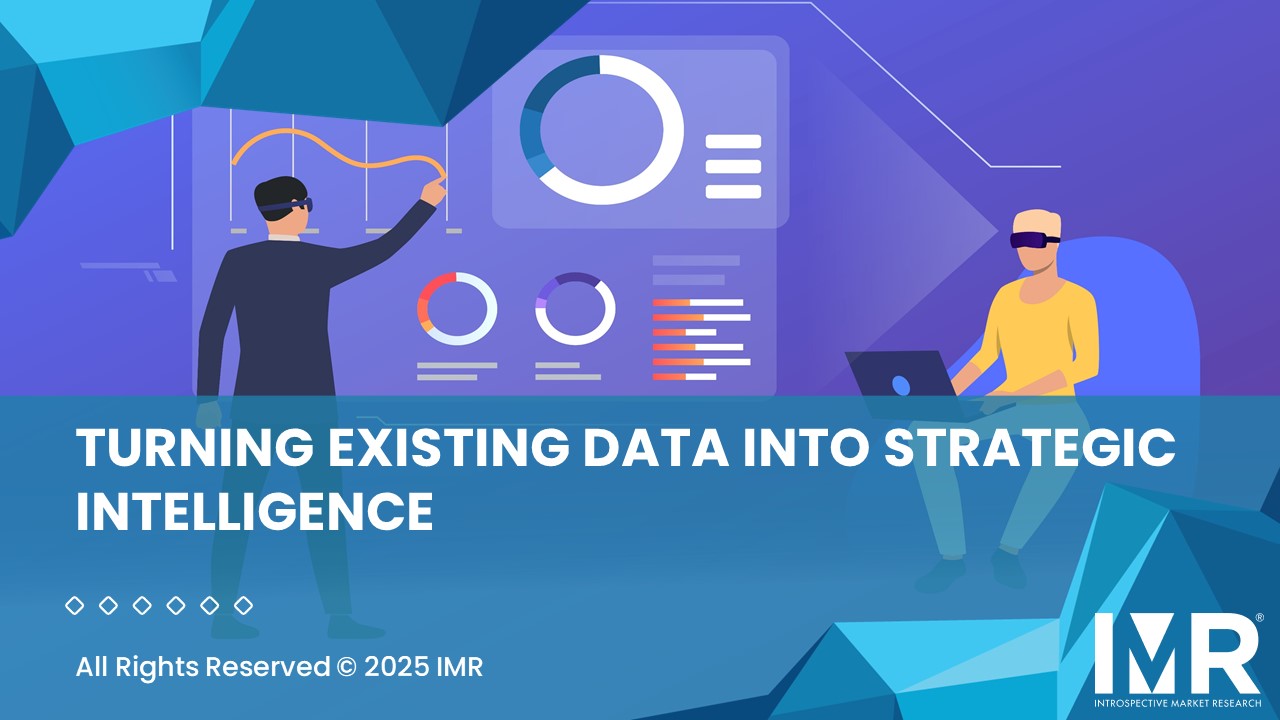
In data-driven economy, organizations generate vast volumes of information through daily operations, customer interactions, and digital platforms. However, the true competitive advantage lies not in collecting data, but in transforming it into actionable insights. Turning existing data into strategic intelligence enables businesses to make informed decisions, anticipate market trends, and optimize performance. Companies that effectively leverage their data assets can enhance efficiency, reduce risks, and uncover new growth opportunities. This article explores how organizations can convert raw data into meaningful intelligence through structured processes, advanced analytics, and a strong data culture, ultimately driving long-term strategic value and sustainable success.
Understanding the Value of Existing Data:
Existing data is often an underutilized asset within organizations. It includes historical records, transactional data, customer feedback, operational metrics, and more. When properly analyzed, this data can reveal patterns, trends, and correlations that inform strategic decision-making.
Types of Business Data:
Organizations typically possess multiple categories of data, such as structured data, unstructured data, and semi-structured data. Structured data is stored in databases, including sales figures and financial records. Unstructured data includes emails, social media content, and customer reviews. Semi-structured data contains elements of both formats, such as JSON or XML files.
Why Data Alone is Not Enough:
Raw data lacks context and meaning. Without analysis, it cannot support decision-making. Strategic intelligence emerges when data is processed, interpreted, and aligned with business objectives. This transformation requires the right tools, frameworks, and expertise.
Building a Data-to-Intelligence Framework:
To convert data into strategic intelligence, organizations need a structured approach. A well-defined framework ensures consistency, accuracy, and scalability in data utilization.
Key Components of the Framework
A successful process typically includes the following steps:
- Data collection
- Data integration
- Data cleaning
- Data analysis
- Data visualization
Data collection involves gathering relevant information from multiple sources. Data integration consolidates information into unified systems. Data cleaning removes inconsistencies and errors. Data analysis extracts insights, while visualization presents findings clearly.
Role of Technology:
Modern technologies play a critical role in this transformation. Business intelligence tools, data warehouses, and machine learning algorithms enable organizations to process large datasets efficiently. Automation enhances speed and accuracy, delivering real-time insights. For example, a retail company can analyze purchasing behavior to optimize inventory and improve customer satisfaction.
Leveraging Analytics for Strategic Insights:
Analytics is the engine that drives transformation. By applying analytical methods, organizations uncover insights that support strategic planning.
Types of Analytics:
Key analytical approaches include:
- Descriptive analytics
- Diagnostic analytics
- Predictive analytics
- Prescriptive analytics
Descriptive analytics explains past performance. Diagnostic analytics identifies causes of outcomes. Predictive analytics forecasts future trends. Prescriptive analytics recommends optimal actions.
Practical Applications:
Organizations use analytics in various ways. Examples include detecting fraud, improving healthcare outcomes, and predicting equipment maintenance. These applications show how data becomes actionable intelligence.
Creating a Data-Driven Culture
Technology alone is insufficient to unlock value. Organizations must foster a culture that supports data-driven decision-making.
Key Elements
Key elements include:
- Leadership support
- Employee training
- Collaboration
- Data accessibility
Leaders must champion initiatives. Employees need data literacy. Teams should collaborate effectively. Data must be accessible.
Overcoming Challenges:
Common obstacles include data silos, poor quality, and resistance to change. Strong governance, communication, and investment help overcome these issues.
Turning Insights into Strategic Action:
The ultimate goal is execution. Insights must translate into decisions and measurable outcomes.
From Insight to Execution:
Organizations should define objectives, align strategies, monitor metrics, and refine approaches continuously.
Measuring Success:
Effectiveness can be evaluated through revenue growth, efficiency, customer satisfaction, and risk reduction. Tracking these metrics ensures continuous improvement.
Expanding Strategic Intelligence Capabilities:
To maximize value, organizations should continuously enhance their data capabilities. This involves investing in advanced tools, refining processes, and aligning data strategies with evolving business goals.
Importance of Data Governance:
Effective data governance ensures accuracy, security, and compliance. It establishes policies for data usage, ownership, and quality management. Strong governance builds trust and enables reliable insights.
Enhancing Data Quality:
High-quality data is critical for accurate analysis. Organizations should implement validation processes, standardization, and regular audits. Clean data improves decision-making and reduces risk.
Integrating Advanced Technologies:
Emerging technologies such as artificial intelligence and machine learning enhance analytical capabilities. These technologies identify patterns, automate processes, and deliver predictive insights at scale.
Real-World Business Example:
A global retailer leveraged existing customer data to personalize marketing campaigns. By analyzing purchase history and preferences, the company increased conversion rates and customer loyalty. This demonstrates how data can drive measurable outcomes.
Best Practices for Implementation:
Organizations can follow best practices to ensure success:
- Define clear objectives aligned with strategy
- Invest in scalable infrastructure
- Promote cross-functional collaboration
- Ensure data security and compliance
- Continuously evaluate performance
These practices help organizations maximize the value of their data assets.
Future Trends in Data Intelligence:
The future of strategic intelligence will be shaped by increasing automation, real-time analytics, and integration of diverse data sources. Organizations that adapt quickly will gain competitive advantages. Additionally, the rise of cloud-based platforms enables scalable data processing. Businesses can access insights faster and more efficiently, supporting agile decision-making.
Ethical Considerations:
As data usage expands, ethical considerations become increasingly important. Organizations must ensure transparency, protect privacy, and comply with regulations. Responsible data practices build trust with customers and stakeholders.
Conclusion:
Turning existing data into strategic intelligence is essential for modern organizations. By leveraging analytics, frameworks, and culture, businesses unlock insights that drive informed decisions. This capability enhances competitiveness, supports innovation, and ensures sustainable growth. Organizations that invest in data transformation are better positioned to anticipate change, seize opportunities, and achieve long-term success in an increasingly data-centric world. Furthermore, organizations must embrace continuous innovation and invest in emerging technologies to stay ahead. This proactive mindset ensures long-term value creation and sustainable competitive advantage in an increasingly data-driven global economy and beyond future growth opportunities ahead globally.