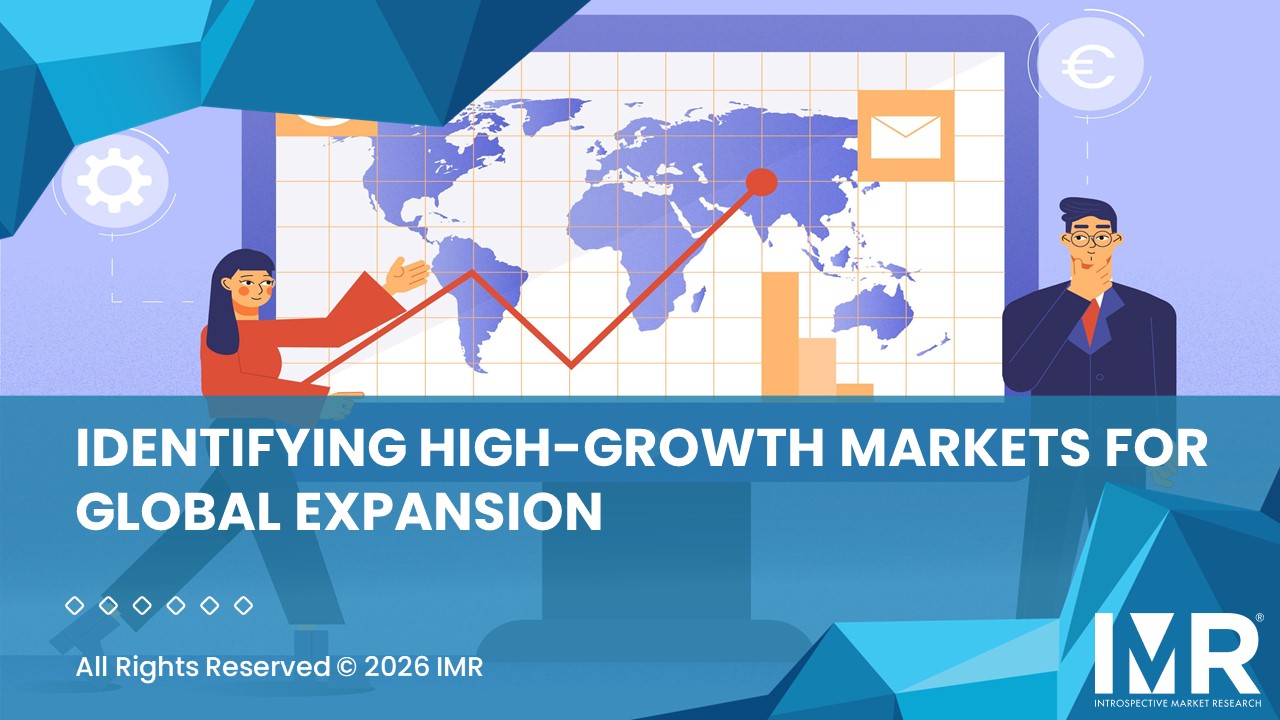
In an increasingly interconnected global economy, businesses seeking sustained growth must look beyond domestic boundaries and identify high-growth markets for expansion. Entering the right international markets can unlock new revenue streams, diversify risk, and strengthen competitive positioning. However, global expansion is a complex process that requires careful analysis of economic indicators, consumer behavior, regulatory environments, and industry trends. Companies that rely on data-driven market assessment and strategic evaluation are better equipped to identify regions with strong growth potential. By understanding key market dynamics and aligning expansion strategies with business objectives, organizations can maximize returns while minimizing risks associated with international ventures.
Understanding High-Growth Market Characteristics:
Identifying high-growth markets begins with understanding the defining characteristics that signal strong expansion potential. These markets typically exhibit favorable economic, demographic, and industry-specific indicators that create opportunities for business growth.
Economic and Demographic Indicators:
Economic stability and growth are primary drivers of market attractiveness. Key indicators include GDP growth rates, rising disposable incomes, and increasing consumer spending. Markets with expanding middle-class populations often present significant opportunities for companies offering consumer goods and services.
Demographic trends also play a crucial role. Younger populations with growing urbanization rates tend to drive demand for technology, retail, and infrastructure development. For instance, emerging economies in Asia and Africa have demonstrated strong growth due to favorable demographic structures and rapid urban expansion.
Industry-Specific Growth Trends:
Beyond macroeconomic factors, businesses must analyze industry-specific trends to identify high-growth opportunities. Certain sectors, such as technology, healthcare, and renewable energy, may experience rapid expansion in specific regions due to policy support and innovation.
Companies should evaluate:
- Market demand and supply gaps
- Competitive landscape and market saturation
- Technological adoption rates
- Government incentives and industry regulations
Understanding these factors helps businesses align their offerings with market needs and capitalize on emerging trends.
Conducting Comprehensive Market Research:
Thorough market research is essential for identifying and validating high-growth markets. Organizations must leverage both primary and secondary research methods to gain accurate and actionable insights.
Key Steps in Market Assessment:
A structured approach to market research ensures informed decision-making. The following steps are critical:
- Analyze macroeconomic indicators and growth forecasts
- Evaluate industry performance and future trends
- Assess competitive dynamics and market entry barriers
- Understand consumer behavior and preferences
- Identify regulatory and compliance requirements
By systematically addressing these areas, businesses can develop a comprehensive understanding of potential markets.
Tools and Data Sources:
Modern businesses have access to a wide range of tools and data sources that support market research efforts. These include:
- Market intelligence platforms and industry reports
- Government publications and economic databases
- Customer surveys and focus groups
- Digital analytics and social media insights
For example, a consumer electronics company planning global expansion can use digital analytics to identify regions with high online engagement and demand for its products.
Evaluating Market Entry Strategies:
Once high-growth markets are identified, selecting the appropriate market entry strategy is crucial for success. Different approaches offer varying levels of risk, investment, and control.
Common Market Entry Models:
Businesses can choose from several entry strategies depending on their objectives and resources:
- Exporting: Selling products directly to international markets with minimal investment
- Licensing and franchising: Partnering with local entities to expand brand presence
- Joint ventures: Collaborating with local companies to share resources and risks
- Wholly owned subsidiaries: Establishing a direct presence with full operational control
Each model has its advantages and challenges. For instance, joint ventures provide local expertise but may involve shared decision-making, while wholly owned subsidiaries offer control but require significant investment.
Factors Influencing Strategy Selection:
Choosing the right entry strategy depends on several factors:
- Market size and growth potential
- Regulatory environment and legal requirements
- Cultural and business practices
- Availability of local partners
- Financial and operational capabilities
A well-aligned strategy ensures smoother market entry and enhances the likelihood of long-term success.
Mitigating Risks in Global Expansion:
Global expansion involves inherent risks that must be carefully managed to protect business interests. Identifying potential challenges early allows organizations to develop effective mitigation strategies.
Key Risks to Consider:
Businesses expanding into new markets should be aware of the following risks:
- Political and economic instability
- Currency fluctuations and financial risks
- Regulatory changes and compliance issues
- Cultural differences and communication barriers
- Supply chain disruptions
For example, sudden regulatory changes in a foreign market can impact operations and profitability, making it essential to stay informed and adaptable.
Risk Mitigation Strategies:
To minimize risks, companies should adopt proactive measures:
- Conduct thorough due diligence before entering a market
- Develop contingency plans for potential disruptions
- Diversify market presence to reduce dependency on a single region
- Establish strong local partnerships
- Continuously monitor market conditions and adjust strategies
These strategies help organizations navigate uncertainties and maintain operational stability.
Leveraging Technology and Data Analytics:
Technology and data analytics play a pivotal role in identifying and capitalizing on high-growth markets. Advanced tools enable businesses to gather, analyze, and interpret vast amounts of data, leading to more accurate and timely decisions.
Role of Data in Market Identification:
Data-driven insights allow companies to identify patterns, forecast trends, and evaluate market potential with greater precision. Businesses can use predictive analytics to anticipate demand, optimize resource allocation, and refine expansion strategies.
For instance, a retail company can analyze purchasing data across regions to identify markets with increasing demand for specific product categories, enabling targeted expansion efforts.
Digital Transformation and Global Expansion:
Digital transformation has significantly simplified global expansion by enabling businesses to reach international customers through online channels. E-commerce platforms, digital marketing, and cloud-based operations allow companies to test new markets with lower investment and risk.
Additionally, technologies such as artificial intelligence and machine learning enhance market analysis by providing deeper insights into consumer behavior and market dynamics.
Conclusion:
Identifying high-growth markets for global expansion is a strategic process that requires careful analysis, planning, and execution. By understanding key market characteristics, conducting comprehensive research, and selecting appropriate entry strategies, businesses can unlock significant growth opportunities. Effective risk management and the use of advanced data analytics further enhance the success of international expansion efforts. As global competition intensifies, organizations that adopt a structured and data-driven approach to market identification will be better positioned to achieve sustainable growth. Ultimately, expanding into the right markets not only drives revenue but also strengthens long-term resilience and global competitiveness in an evolving business landscape.