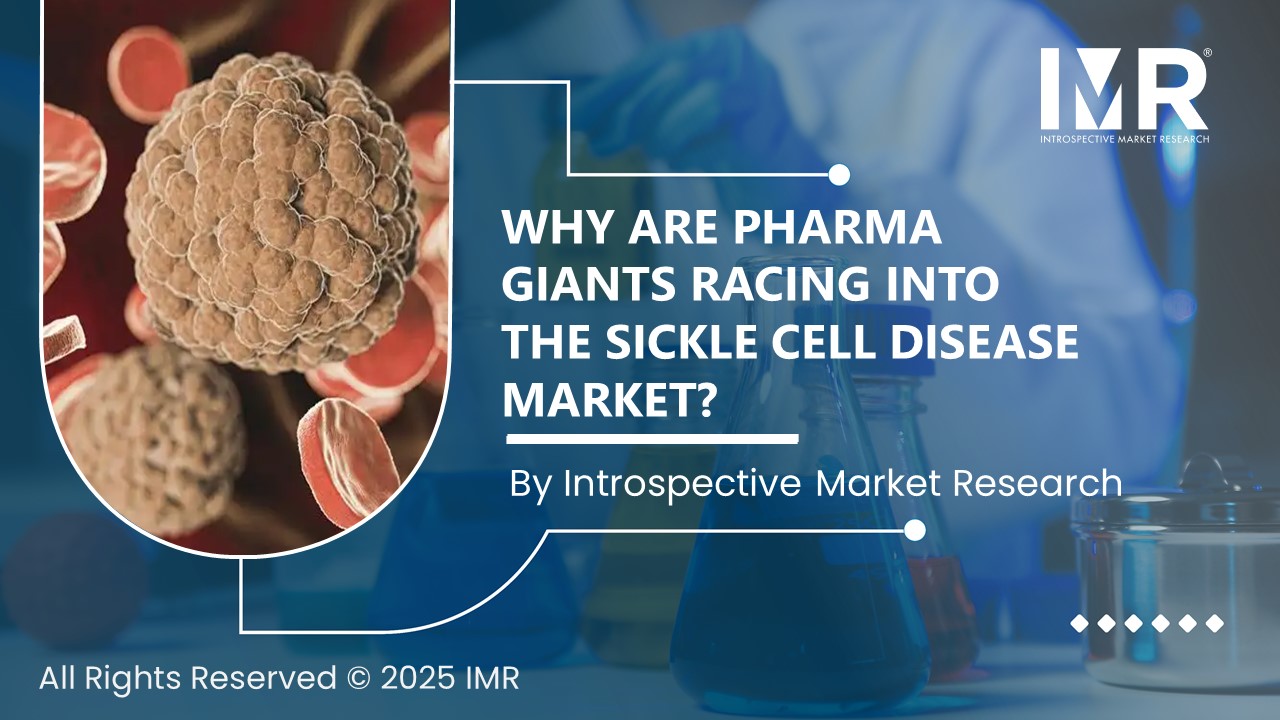
The pharmaceutical industry has always considered Sickle Cell Disease as a neglected area, but recent years have seen a high level of interest among major drugmakers. Companies like Vertex Pharmaceuticals, CRISPR Therapeutics, Bluebird Bio, and Novartis are investing heavily in ground-breaking therapies for SCD. So, what's driving this sudden rush into a market that was once overlooked?
Breakthroughs in Gene Therapy and CRISPR
- The largest disruptor has been the discovery of gene-editing technologies, specifically CRISPR-Cas9. The FDA approved Casgevy (exa-cel), a CRISPR therapy produced by Vertex and CRISPR Therapeutics in late 2023, the first-ever approval of a gene-editing medicine for SCD. This breakthrough has opened the floodgates to investing in genetic drugs for rare diseases.
- In March, 2024 Pharmaceutical Manufacturers Akums announced that it had launched the India’s first indigenous hydroxyurea oral solution, used for the treatment of sickle cell disease in children. Akums said the drug will be provided to the government at the cost of R600, which is nearly 1% of the R77,000 that the medicine currently available globally costs.
- Bluebird Bio's Lovo-cel, another gene therapy in development, has also delivered encouraging outcomes in trials. These developments mark a move away from symptom control towards possible cures, making SCD a desirable focus for innovation.
High Unmet Medical Need & Patient Advocacy
SCD is present in 100,000+ Americans and millions of people worldwide, mostly in oppressed populations. For many decades, people had only the management of pain, transfusion of blood, and bone marrow transplant (risky and difficult to obtain).
Patient advocacy organizations have urged improved therapies to bring more government dollars (NIH, FDA incentives) and expedited regulatory processes such as Orphan Drug Designation and Priority Review Vouchers. Pharma firms both perceive a moral obligation and a profitable opportunity to fill this deficit.
Competitive Landscape & First-Mover Advantage
The race is on to dominate the SCD market:
- Hoffmann-La Roche Ltd. (Switzerland)
- Mylan N.V. (U.S.)
- Teva Pharmaceutical Industries Ltd. (Ireland)
- Sanofi (France)
- Pfizer Inc. (U.S.)
- GlaxoSmithKline plc (U.K.)
- Others Active Players
Whoever establishes long-term efficacy and safety data will dominate this space for years.
Emerging Trends in Sickle Cell Disease Market:
• Therapeutic Breakthroughs:
The industry is moving away from the management of symptoms towards curative solutions, with Vertex/CRISPR's Casgevy paving the way for the first batch of FDA-approved gene therapies, and next-generation CRISPR 2.0 tools such as base editing and prime editing offering safer, more accurate edits that are already in preclinical trials.
• Global Access Initiatives:
Governments in high-burden countries – such as Novartis' African SCD program and India's National SCD Mission – are collaborating with pharmaceutical companies to roll out newborn screening and low-cost treatment models, while access to gene therapy is still restricted to clinical trials in most developing countries.
• Alternative Model of Treatment:
Outside of gene therapy, oral drugs such as Pfizer's voxelotor and new hydroxyurea products (such as Akums' affordable pediatric option) are opening up options, while AI platforms are enabling novel drug discovery at record-breaking rates.
• Investment & Commercialization:
Venture capital investment in SCD startups spiked 300% since 2020, as pharma titans aggressively acquired potential biotechs, while cutting-edge payment solutions such as installment-based gene therapy funding gain traction to overcome the $2M+ treatment cost hurdle.
• Diagnostic & Infrastructure Development:
Portable diagnostic equipment (such as HemotypeSC™ rapid test) and specialized treatment facilities are growing worldwide, although unequal access still exists – at present 80% of gene therapy capacity is still concentrated in Western Europe and North America.
Global Expansion & Equity in Healthcare:
Outside of the U.S., SCD is most common in Africa, India, and the Middle East. Pharma firms are seeking alliances with governments and NGOs to increase access, but pricing continues to be a barrier. Projects such as the Ghana CRISPR trial promise to bring these treatments to high-burden countries.
The Future of SCD Treatment:
The pharma rush to SCD is not only profit-motivated-it's a turning point for the treatment of rare disease. With gene therapies, enhanced early diagnosis, and global activism, we could be on the cusp of turning SCD from a life-limiting illness into a manageable or even curable disease.
For patients, hope. For pharma, it's a new frontier-one where medical innovation and social impact converge.
Conclusion
Pharma's reinvigorated interest in sickle cell disease (SCD) represents a turning point for a condition long neglected. With advanced gene therapies such as CRISPR-based Casgevy and Bluebird Bio's Lovo-cel making headway with regulators, the industry is making the transition from symptom control to promising cures. This force is driven by scientific advances, robust patient activism, and a favorable regulatory landscape-placing SCD as much a medical and business opportunity.
Yet, the exorbitant price tag of these treatments is a cause for serious concern regarding accessibility, especially for marginalized populations most burdened by SCD. The real test is making it affordable and accessible globally. Pharma's sprint into SCD is not about making money-it's a test of crucial proportions for whether innovation can take on entrenched health disparities, paving the way for new modes of treating genetic disorders globally.