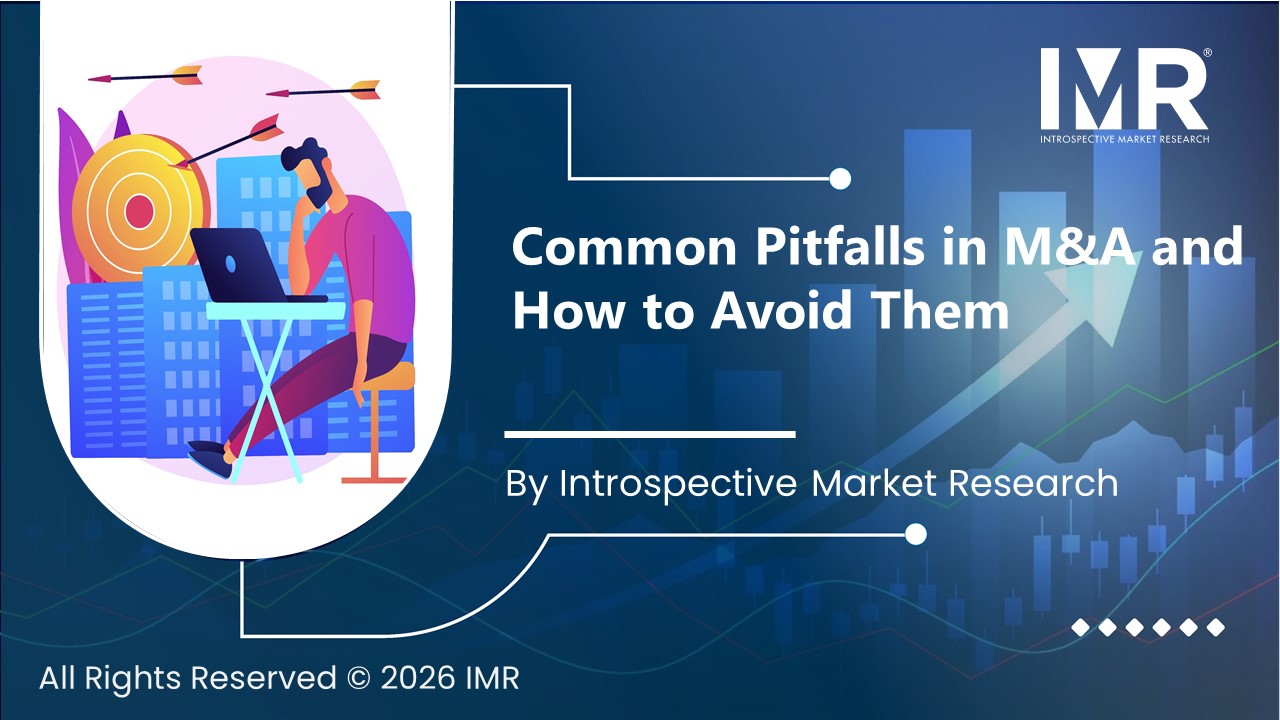
Common Pitfalls in M&A and How to Avoid Them is a critical concern for organizations pursuing growth through mergers and acquisitions. In today’s competitive market, companies often rush into deals without fully understanding the strategic, financial, and operational implications. This can result in costly mistakes, failed integrations, and diminished shareholder value. By identifying the Common Pitfalls in M&A and How to Avoid Them, organizations can strengthen decision-making, mitigate risks, and ensure long-term success.
Understanding Strategic Misalignment:
One of the most significant risks in Common Pitfalls in M&A and How to Avoid Them is poor strategic alignment between merging entities. Organizations frequently pursue acquisitions based on short-term opportunities rather than long-term objectives. This disconnect can lead to unclear value creation and internal conflicts post-integration. Ensuring that both companies share a unified vision and complementary capabilities is essential for sustainable outcomes.
Lack of Clear Objectives:
Without clearly defined goals, teams struggle to measure success and prioritize integration efforts. Establishing measurable objectives, such as revenue synergies or cost efficiencies, ensures alignment across stakeholders and supports accountability throughout the transaction lifecycle.
Due Diligence Failures:
Inadequate due diligence remains a major contributor to Common Pitfalls in M&A and How to Avoid Them. Companies often underestimate hidden liabilities, regulatory risks, or cultural differences. A superficial review can lead to overvaluation and unexpected post-deal challenges. Conducting comprehensive financial, legal, and operational assessments helps uncover risks early and supports informed decision-making.
Overlooking Cultural Integration:
Cultural incompatibility can disrupt collaboration and employee retention. Leaders must evaluate organizational values, communication styles, and management approaches during due diligence. Early planning for integration initiatives reduces friction and improves workforce engagement.
Ineffective Integration Planning:
Another frequent issue within Common Pitfalls in M&A and How to Avoid Them is weak integration planning. Many organizations fail to develop structured post-merger roadmaps, resulting in delays and inefficiencies. Integration should be treated as a strategic priority, with dedicated teams, timelines, and performance metrics. A well-defined plan ensures continuity and accelerates synergy realization.
Key Integration Challenges:
Common challenges include:
- misaligned systems and processes
- unclear governance structures
- communication gaps across teams
- resistance to change among employees
Addressing these issues proactively enhances coordination and reduces operational disruption.
Risk Mitigation Strategies:
Common Pitfalls in M&A and How to Avoid Them, organizations should adopt structured risk management frameworks. This includes scenario planning, stakeholder alignment, and continuous monitoring of integration progress. Leveraging data-driven insights and external expertise can enhance decision quality. Additionally, establishing clear governance and accountability mechanisms ensures that risks are identified and addressed promptly.
Best Practices for Success:
Key best practices include maintaining transparent communication, aligning leadership teams, and investing in integration capabilities. Organizations should also prioritize change management and employee engagement to sustain momentum. By applying these strategies, businesses can reduce uncertainty and achieve intended deal outcomes.
Moreover, organizations should conduct post-deal reviews to capture lessons learned and refine future strategies. Establishing integration management offices can centralize oversight and improve coordination across functions. Technology integration and data harmonization must also be prioritized to enable seamless operations. Regular performance tracking against predefined metrics ensures accountability and supports continuous improvement. These disciplined practices further strengthen resilience and enhance overall transaction success. Consistent stakeholder engagement and transparent reporting further build trust and ensure alignment throughout the integration lifecycle and beyond expectations consistently.
Conclusion:
Understanding Common Pitfalls in M&A and How to Avoid Them is essential for organizations seeking successful transactions. By addressing strategic misalignment, strengthening due diligence, and implementing effective integration planning, companies can significantly improve outcomes. A disciplined approach supported by clear frameworks and proactive risk management ensures value creation and long-term stability.