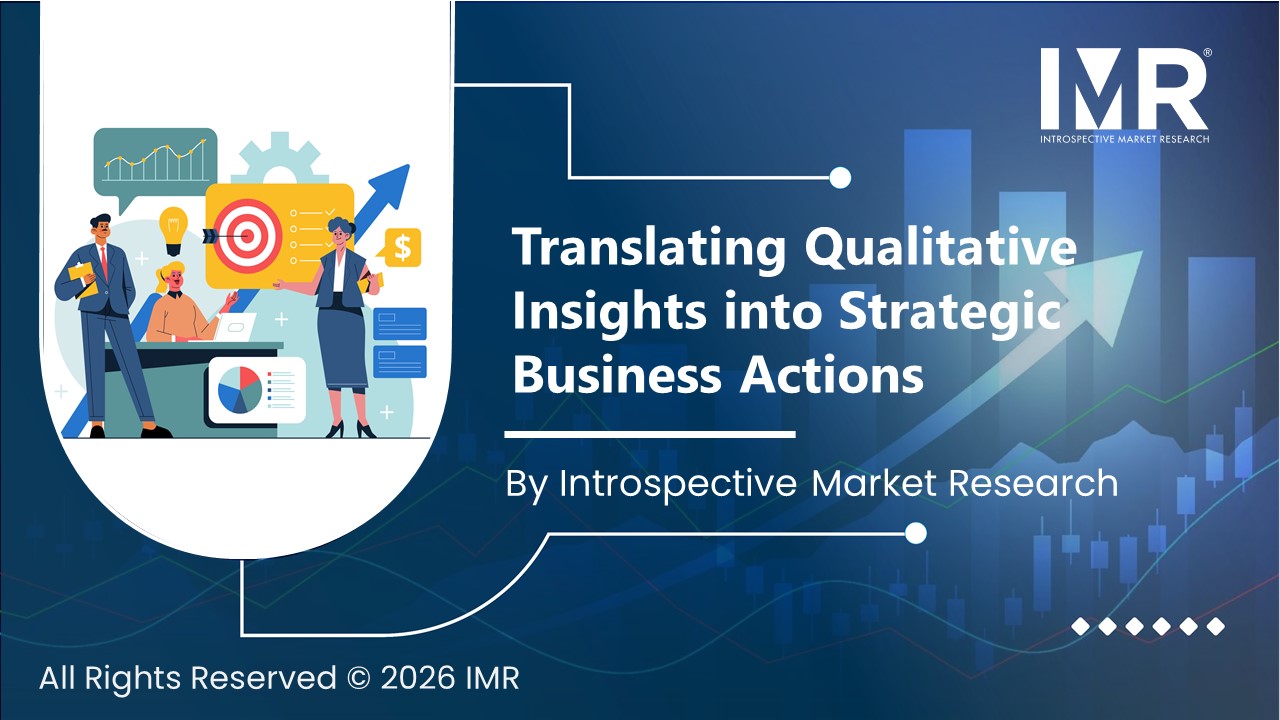
Data-rich environment, organizations increasingly recognize that numbers alone cannot drive competitive advantage. Qualitative insights derived from interviews, observations, and open-ended feedback provide context that quantitative metrics often miss. However, the real value lies in Translating Qualitative Insights into Strategic Business Actions that inform decisions, shape innovation, and strengthen customer alignment. This process requires structured thinking, cross functional collaboration, and disciplined execution to ensure insights become measurable outcomes. By embedding qualitative evidence into strategy, firms can reduce uncertainty and accelerate informed growth.
The Importance of Translating Qualitative Insights into Strategic Business Actions:
Translating Qualitative Insights into Strategic Business Actions ensures that subjective observations are systematically interpreted and aligned with organizational goals. Without this step, valuable narratives remain anecdotal and disconnected from execution. Leading firms establish repeatable frameworks that convert themes into priorities, enabling leadership teams to act with confidence.
Building a Structured Interpretation Framework:
A robust framework begins with coding and categorizing qualitative data into consistent themes. Analysts then map these themes to business objectives, identifying risks, opportunities, and unmet needs. This structured approach enhances reliability and reduces bias when Translating Qualitative Insights into Strategic Business Actions across diverse stakeholders.
From Themes to Actionable Priorities:
Once themes are validated, organizations must prioritize them based on impact and feasibility. Decision makers can use scoring models or workshops to rank initiatives, ensuring resources are directed toward high value outcomes. Translating Qualitative Insights into Strategic Business Actions at this stage requires clarity, ownership, and defined success metrics.
Practical Methods for Implementation:
Effective implementation demands clear processes and accountability. Organizations can operationalize insights through the following approaches:
- Integrate qualitative findings into strategic planning cycles and performance reviews.
- Align cross functional teams around shared insights and agreed actions.
- Develop pilot initiatives to test hypotheses before scaling solutions.
- Establish feedback loops to continuously refine decisions and strategies.
These methods ensure Translating Qualitative Insights into Strategic Business Actions becomes an embedded capability rather than a one-time exercise.
Real World Application and Value:
In practice, companies across industries leverage qualitative insights to redesign customer journeys, improve products, and refine brand positioning. For example, customer interviews may reveal friction points that analytics alone cannot explain. By Translating Qualitative Insights into Strategic Business Actions, organizations can address root causes rather than symptoms, resulting in sustainable performance improvements.
Governance and Measurement:
The organizations must define governance structures and measurement systems that track progress. Clear ownership, defined milestones, and transparent reporting ensure accountability across teams. Key performance indicators should link qualitative themes to business outcomes, enabling leaders to evaluate effectiveness and adjust strategies accordingly. Regular reviews reinforce the discipline of Translating Qualitative Insights into Strategic Business Actions while fostering continuous improvement.
Technology Enablement:
Modern analytics platforms and qualitative research tools support faster synthesis and collaboration. Centralized repositories, tagging systems, and dashboards help teams scale Translating Qualitative Insights into Strategic Business Actions with consistency and speed for teams.
Conclusion:
Translating Qualitative Insights into Strategic Business Actions is essential for organizations seeking to bridge the gap between insight generation and execution. By adopting structured frameworks, prioritizing effectively, and embedding insights into decision-making processes, companies can unlock deeper value from qualitative data. This disciplined approach enhances agility, strengthens strategy, and drives measurable results in complex markets. Furthermore, organizations that institutionalize learning loops and knowledge sharing practices strengthen long term capabilities and resilience.