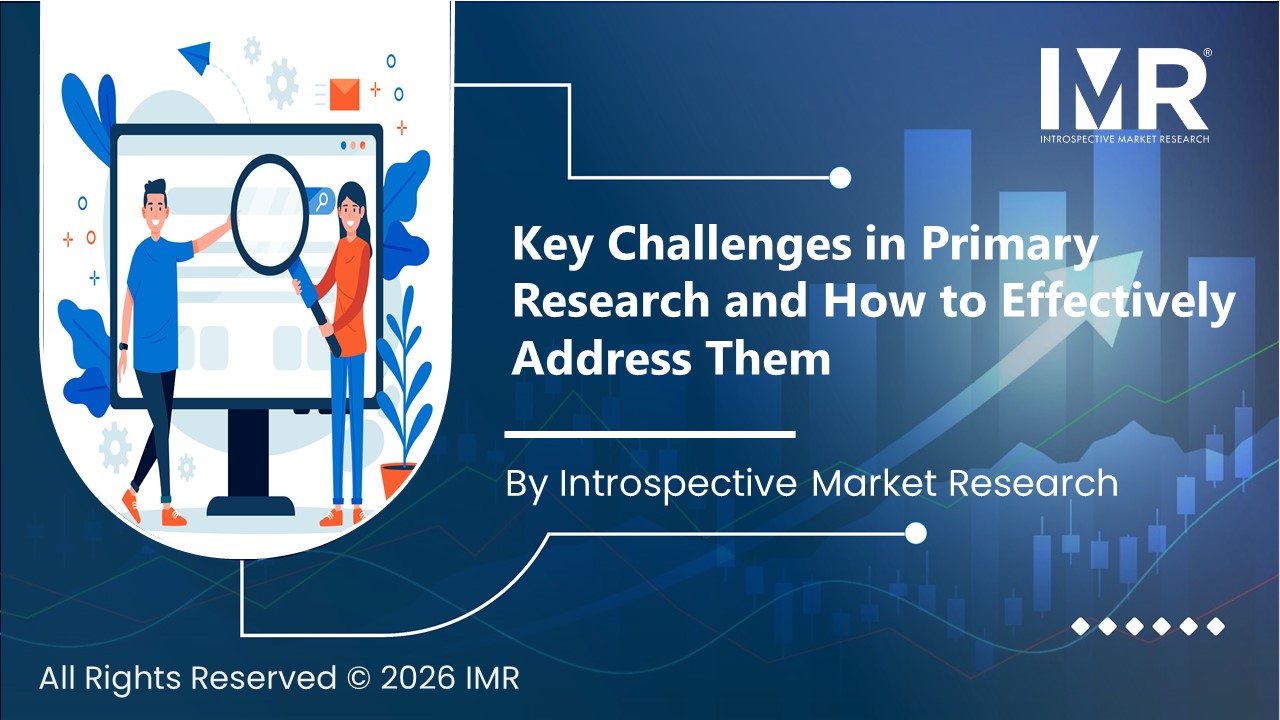
Primary research plays a critical role in generating first-hand insights that inform strategic decisions, innovation, and market positioning. However, organizations often encounter significant obstacles that can compromise data quality, timelines, and overall outcomes. Understanding the Key Challenges in Primary Research and How to Address Them Effectively is essential for ensuring reliable, actionable findings. This article explores the most pressing issues faced during primary research. It outlines practical strategies to overcome them, enabling businesses to strengthen their research capabilities and achieve better results in competitive environments.
Key Challenges in Primary Research and How to Effectively Address Them
Primary research involves collecting data directly from sources, which introduces complexity and variability. The Key Challenges in Primary Research and How to Effectively Address Them often stem from operational inefficiencies, respondent-related issues, and methodological limitations. Addressing these challenges requires structured planning, robust tools, and adaptive execution strategies that align with business objectives.
Data Quality and Reliability Issues:
Ensuring data accuracy is a persistent concern in primary research. Inconsistent responses, biased sampling, and poorly designed questionnaires can significantly distort findings. Organizations must recognize that the Key Challenges in Primary Research and How to Effectively Address Them include maintaining strict quality controls throughout the research lifecycle.
Participant Recruitment and Engagement:
Recruiting the right participants and sustaining their engagement can be difficult, especially in niche or hard-to-reach markets. Low response rates and disengaged participants reduce the reliability of insights. Effectively managing the Key Challenges in Primary Research and how to Effectively Address Them requires targeted outreach and incentive structures.
Strategies to Overcome Key Challenges:
Organizations can implement structured approaches to mitigate risks and enhance research outcomes. Addressing the Key Challenges in Primary Research and How to Effectively Address Them involves a combination of technology, process optimization, and skilled personnel.
Best Practices for Effective Execution:
- Use validated survey instruments to improve consistency and reliability.
- Implement digital tools for real-time data collection and monitoring.
- Apply rigorous sampling techniques to reduce bias and enhance representativeness.
- Train research teams to ensure standardized processes and ethical compliance.
These practices directly address the Key Challenges in Primary Research and How to Effectively Address Them by strengthening data integrity and operational efficiency.
Leveraging Technology and Analytics:
Advanced analytics platforms and automation tools can streamline workflows and improve data accuracy. By integrating technology, organizations can better tackle the Key Challenges in Primary Research and how to Effectively Address Them while reducing manual errors and accelerating insights generation.
Cost and Time Constraints:
Budget limitations and tight timelines frequently hinder the scope and depth of primary research initiatives. Inefficient planning can lead to cost overruns and delayed deliverables, impacting decision-making. Addressing the Key Challenges in Primary Research and how to Effectively Address Them in this context requires clear budgeting frameworks, realistic timelines, and continuous monitoring of project milestones.
Effective resource allocation and agile methodologies enable teams to respond to unforeseen changes without compromising quality. Organizations that prioritize efficiency can better manage constraints while maintaining research integrity and stakeholder confidence.
Conclusion:
Primary research remains a powerful tool for evidence-based decision making, but it requires careful execution to deliver value. By understanding the Key Challenges in Primary Research and How to Effectively Address Them, organizations can proactively design strategies that ensure data quality, participant engagement, and methodological rigour. Investing in the right processes, technologies, and expertise will significantly enhance research outcomes. Businesses that adopt these practices position themselves to gain deeper insights and maintain a competitive edge. Contact us for expert insights. This disciplined approach ensures long-term sustainability and measurable business impact across diverse industries and evolving market conditions for sustained growth and strategic advantage globally.