As India’s economy continues to expand and evolve, a striking transformation is underway the rise of affordable luxury. This shift, often referred to as premiumisation, reflects how brands are bridging aspiration with affordability for India’s new-age consumers. With rising disposable incomes, growing urbanisation, and a digitally connected younger generation, “premium” is no longer an exclusive label but an inclusive experience accessible to the mass market.
Key Drivers of Premiumisation:
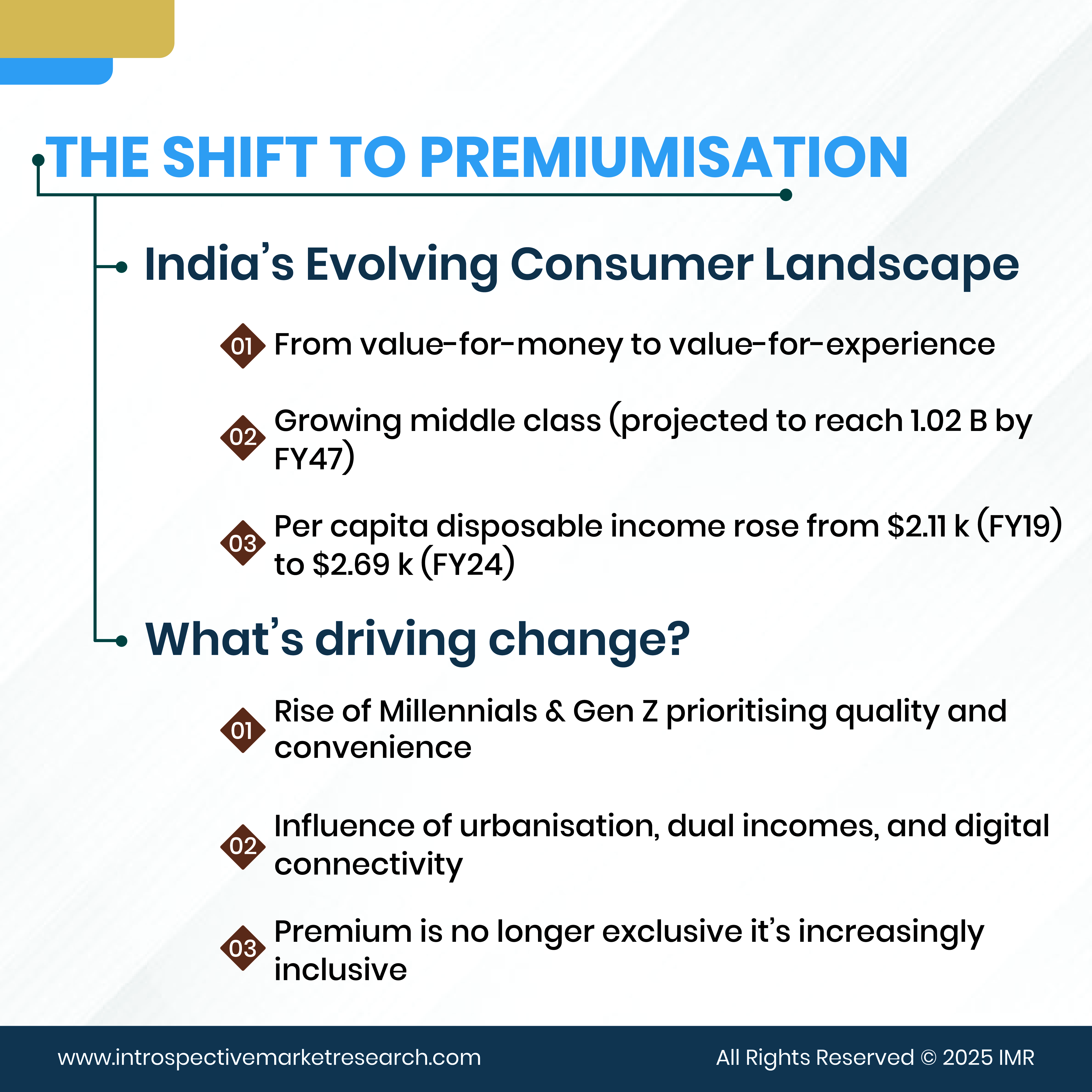
- Evolving Consumer Landscape: India’s consumer priorities are shifting from value-for-money to value-for-experience. Between FY19 and FY24, per capita disposable income increased from $2,110 to $2,690, while the middle class is projected to reach 1.02 billion by FY47. Millennials and Gen Z consumers, in particular, are driving this shift by prioritising quality, convenience, and self-expression over pure affordability.
- Socioeconomic Catalysts: Urbanisation, dual-income households, and greater digital exposure are influencing consumer aspirations. As a result, premiumisation is expanding beyond metros into Tier II and III cities, where accessibility, credit options, and digital platforms have made luxury brands more attainable.
Industry Spotlights:
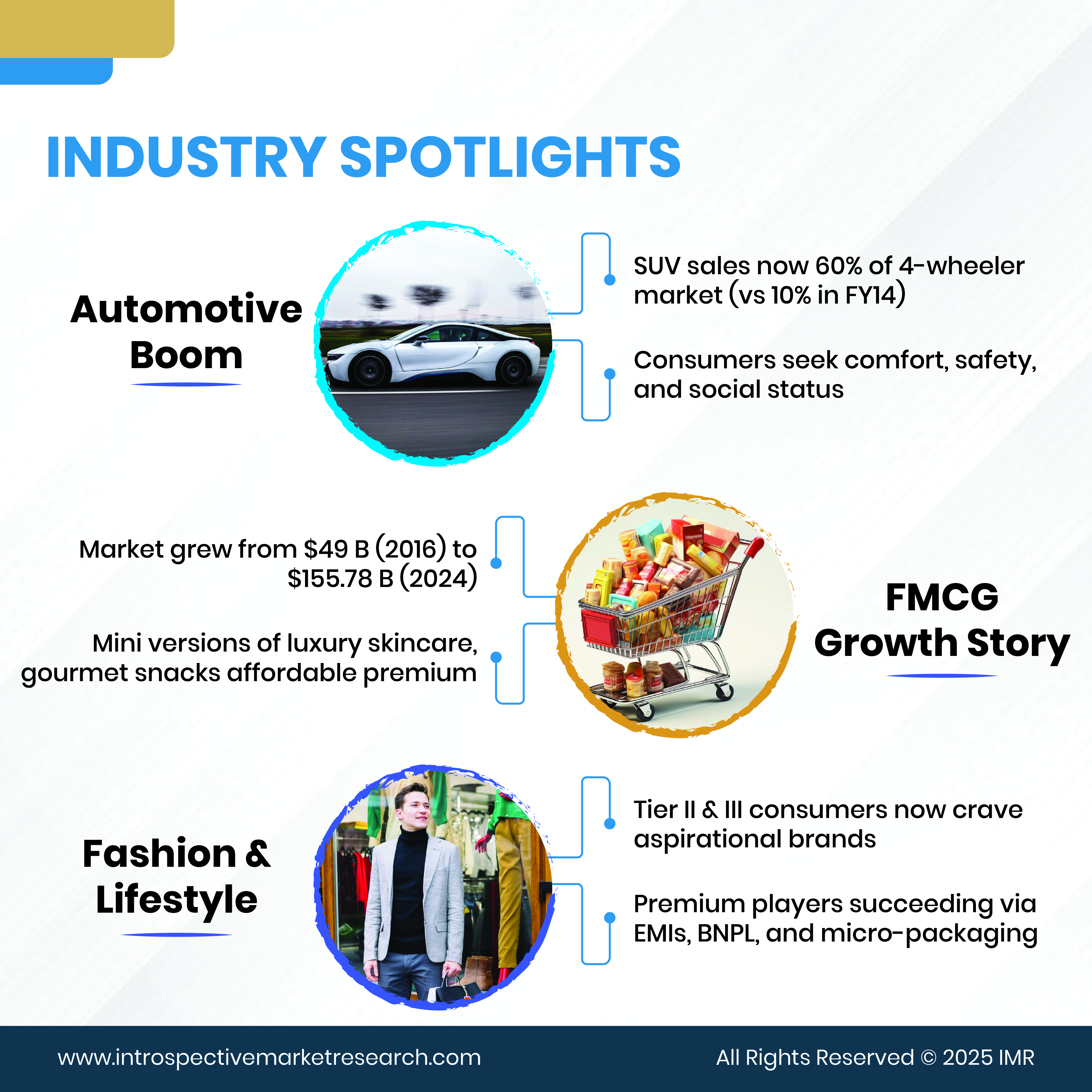
- Automotive Sector: SUVs have emerged as the symbol of affordable luxury, now comprising 60% of India’s 4-wheeler market (up from 10% in FY14). Consumers associate them with comfort, safety, and elevated social status, driving record sales across both urban and non-urban regions.
- FMCG (Fast-Moving Consumer Goods): The FMCG market expanded from $49 billion in 2016 to $155.78 billion in 2024, fueled by premium offerings such as mini versions of luxury skincare products, artisanal foods, and gourmet snacks bridging aspiration with accessibility.
- Fashion & Lifestyle: Tier II and III consumers are increasingly adopting aspirational brands through flexible payment models like EMIs, Buy Now Pay Later (BNPL), and micro-packaging. Premium players are succeeding by localizing products and blending affordability with exclusivity.
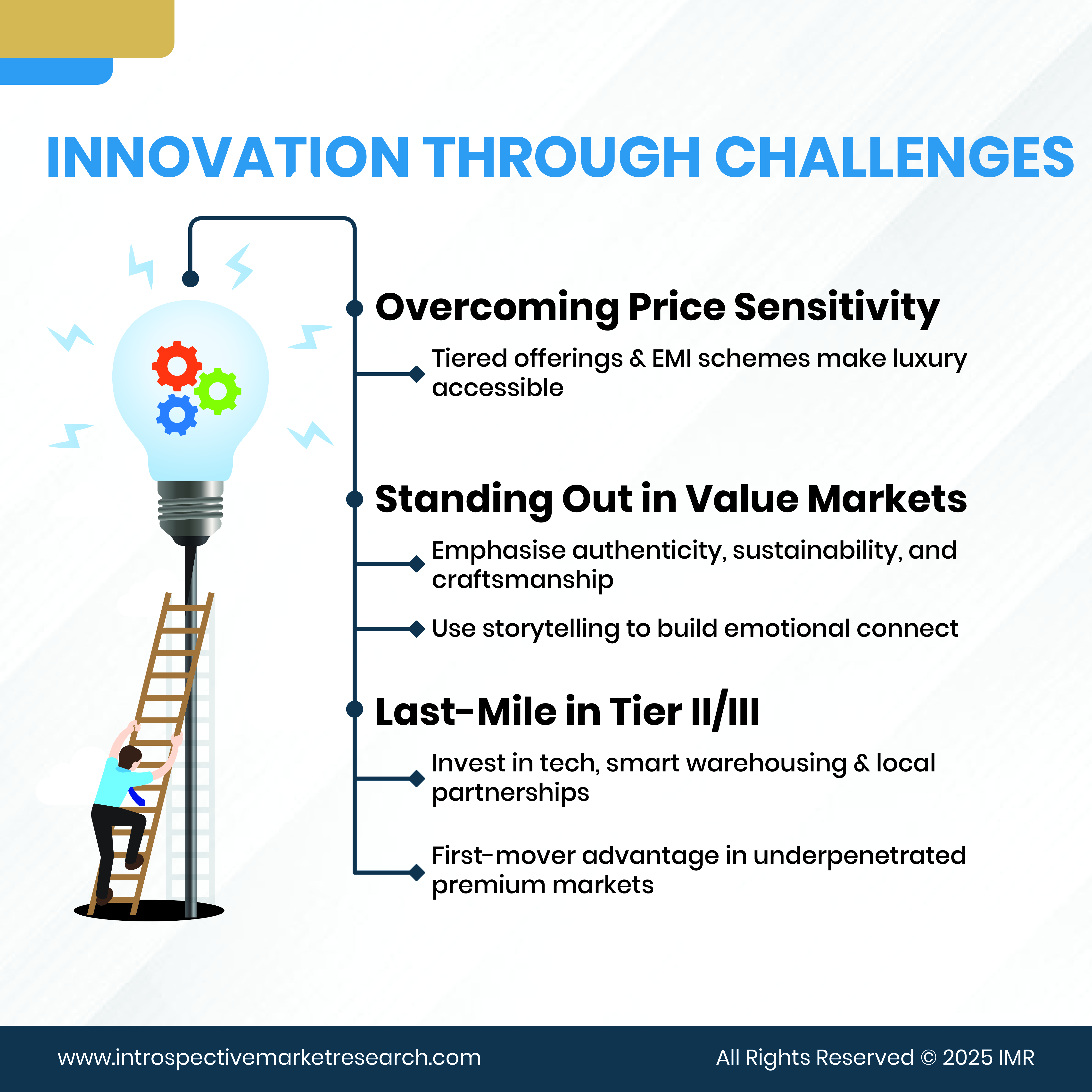
Innovation Through Challenges:
- Overcoming Price Sensitivity: Brands are adopting tiered offerings, easy financing, and EMI schemes to democratize luxury access.
- Standing Out in Value-Driven Markets: To differentiate, successful brands emphasize authenticity, sustainability, and craftsmanship, often leveraging storytelling to create emotional resonance with consumers.
- Strengthening Distribution in Tier II/III Markets: Companies are investing in technology-driven logistics, smart warehousing, and local partnerships to ensure efficient delivery and accessibility. Early movers in these underpenetrated premium markets are gaining a significant advantage.
Impact on Consumer Behavior and Brand Strategy:
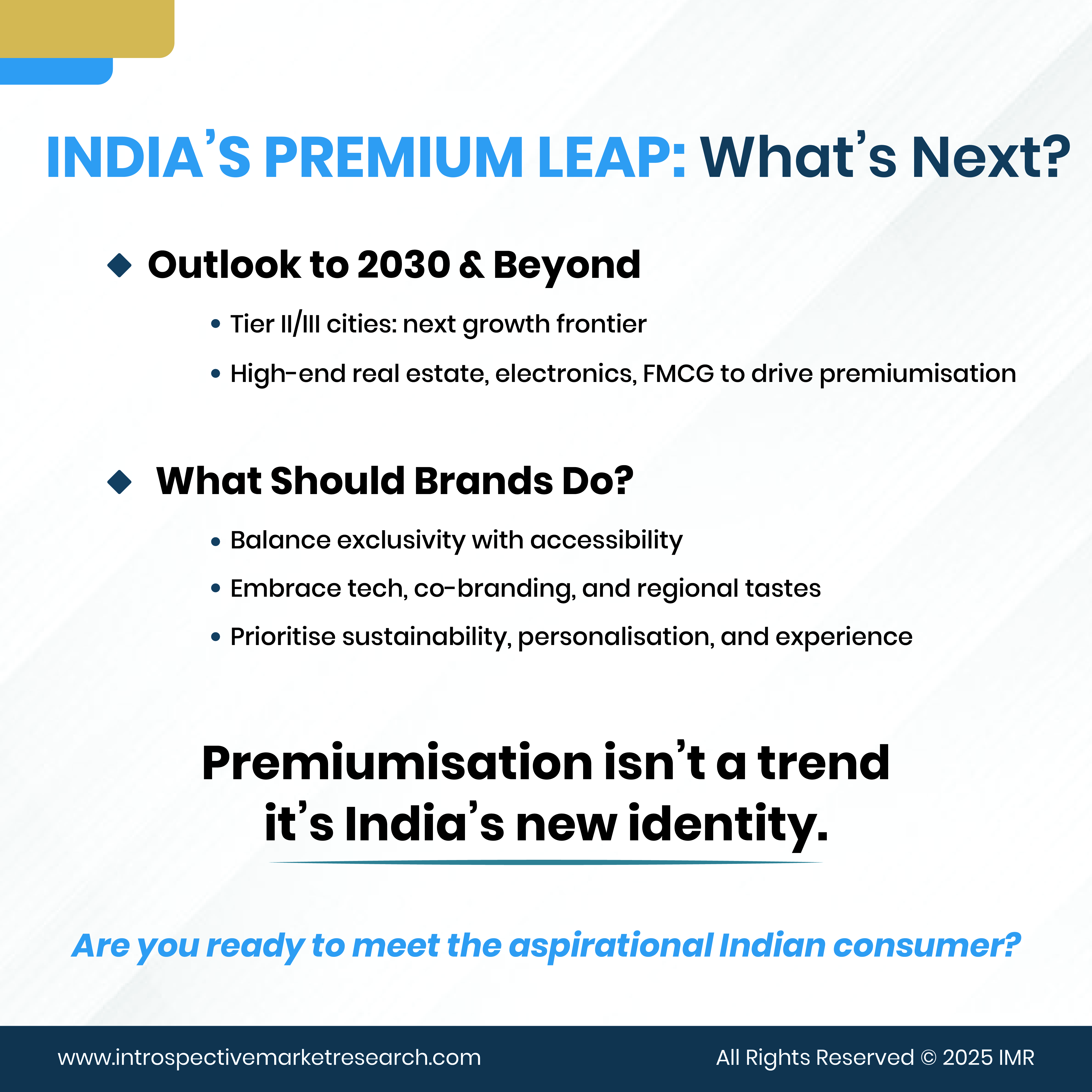
Premiumisation has redefined how Indian consumers perceive value blending aspiration with practicality. Consumers now expect quality, personalization, and sustainability, not just affordability. This shift is compelling brands to reimagine pricing strategies, digital engagement, and product innovation. Brands that have embraced this shift are witnessing increased brand loyalty, higher repeat purchases, and a willingness among consumers to trade up for enhanced experiences.
Conclusion:
Affordable luxury is no longer a niche segment it represents India’s new consumer identity. As aspirations rise and purchasing power expands, the definition of luxury is evolving from elite indulgence to inclusive experience. Brands that understand this evolution by making premium feel personal, sustainable, and accessible will be best positioned to win the loyalty of the aspirational Indian consumer.
Further Implications for the Indian Market:
The affordable luxury trend serves as a blueprint for emerging markets worldwide, showcasing how economic growth, digital accessibility, and cultural aspiration can converge to redefine consumption. Companies that successfully integrate premium experiences with affordability will not only expand market share but also reshape the very perception of luxury in India.
Premiumisation isn’t just a trend it’s the future of consumer identity in India.