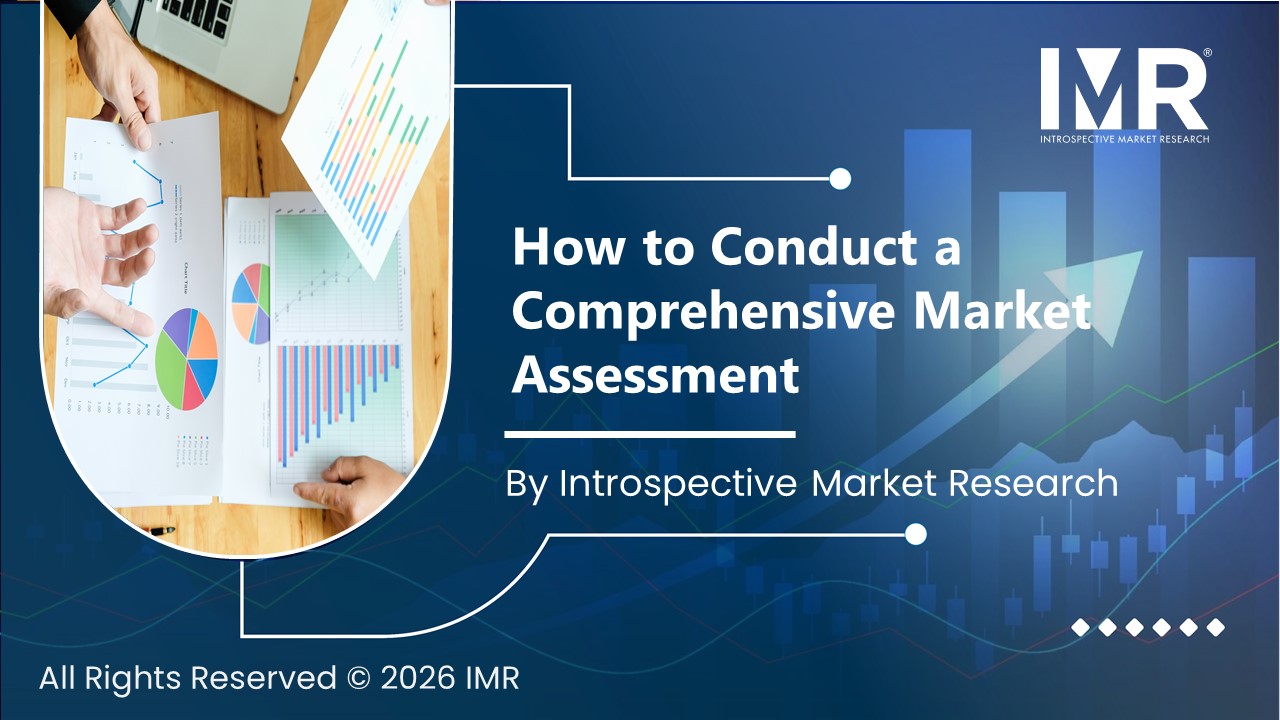
How to Conduct a Comprehensive Market Assessment is a critical process for organizations aiming to understand market dynamics, customer behavior, and competitive landscapes. In today’s data-driven economy, businesses must rely on structured methodologies to identify opportunities and mitigate risks effectively. A well-executed market assessment enables informed decision-making, strategic planning, and sustainable growth. This article explores a systematic approach to How to Conduct a Comprehensive Market Assessment, highlighting essential steps, analytical tools, and industry best practices for achieving actionable insights. It also aligns strategy with evolving industry and customer trends effectively.
Understanding the Market Landscape:
Defining Objectives and Scope:
The first step in How to Conduct a Comprehensive Market Assessment is defining clear objectives. Organizations must determine what they aim to achieve, whether it is market entry, expansion, or product positioning. Establishing scope ensures focused research and efficient resource allocation.
Market Segmentation and Targeting:
Market segmentation involves dividing the broader market into distinct groups based on demographics, behavior, and needs. This step enhances precision in targeting and ensures that insights derived from How to Conduct a Comprehensive Market Assessment are actionable and relevant.
Data Collection and Competitive Analysis:
Primary and Secondary Research Methods:
Effective market assessment relies on both primary and secondary research. Primary data includes surveys, interviews, and focus groups, while secondary data involves industry reports and existing studies. Combining these methods strengthens the reliability of How to Conduct a Comprehensive Market Assessment.
Competitive Landscape Evaluation
Understanding competitors is essential for positioning. Businesses must analyze pricing strategies, product offerings, and market share. This evaluation is a key component of How to Conduct a Comprehensive Market Assessment and helps identify gaps and opportunities.
- Identify key competitors and market leaders
- Analyze strengths and weaknesses
- Evaluate pricing and distribution strategies
- Assess customer perception and brand positioning
Analytical Tools and Strategic Insights:
Data Interpretation and Trend Analysis:
Interpreting collected data is crucial for deriving insights. Organizations should use statistical tools and visualization techniques to identify patterns. Effective analysis enhances the outcomes of How to Conduct a Comprehensive Market Assessment.
Risk Assessment and Opportunity Mapping:
Risk assessment identifies potential barriers, while opportunity mapping highlights growth areas. Together, they provide a balanced view of market potential and inform strategic decisions.
Implementation Roadmap:
Organizations conducting How to Conduct a Comprehensive Market Assessment should translate insights into actionable steps. The implementation roadmap begins with prioritizing key findings and aligning them with strategic goals. Decision-makers must allocate resources effectively and establish measurable KPIs to track progress over time. Cross-functional collaboration ensures that marketing, finance, and operations teams work in sync to execute strategies derived from the assessment. Additionally, organizations should adopt agile methodologies to adapt quickly to changing market conditions. Continuous monitoring and feedback loops are essential for refining strategies and improving outcomes. By institutionalizing the assessment process, businesses can maintain a competitive edge and respond proactively to emerging trends and customer demands.
Conclusion:
How to Conduct a Comprehensive Market Assessment is essential for businesses seeking long-term success in competitive environments. By following structured steps such as defining objectives, analyzing competitors, and interpreting data, organizations can build a strong foundation for strategic decision-making. A comprehensive assessment not only reduces uncertainty but also uncovers hidden growth opportunities. Ultimately, mastering How to Conduct a Comprehensive Market Assessment empowers businesses to make informed, data-driven decisions that align with market realities and future trends. Contact us for expert insights.